
Slab Leak Repair in San Diego, CA: What Ocean Beach & Point Loma Homeowners Need to Know
Quick Summary
Slab leaks develop when water or sewer pipes running beneath a home’s concrete foundation corrode, shift, or crack, often in homes built decades ago with copper or galvanized piping. Warning signs include warm spots on flooring, unexplained spikes in water bills, and the sound of running water with every fixture turned off. Professional detection paired with the right repair method, from spot repair to trenchless rerouting, stops a slab leak before it damages the foundation itself.
Homes in Ocean Beach and Point Loma sit on some of the oldest housing stock in San Diego, and that age catches up with the pipes running under the slab sooner than most homeowners expect. Slab leak repair in San Diego often starts with a strange sound, a warm patch of tile, or a water bill that jumped for no obvious reason.
Understanding what causes these leaks and how a professional plumber finds and fixes them helps homeowners act fast before a small crack turns into a much bigger repair.
What Is a Slab Leak and Why It Happens
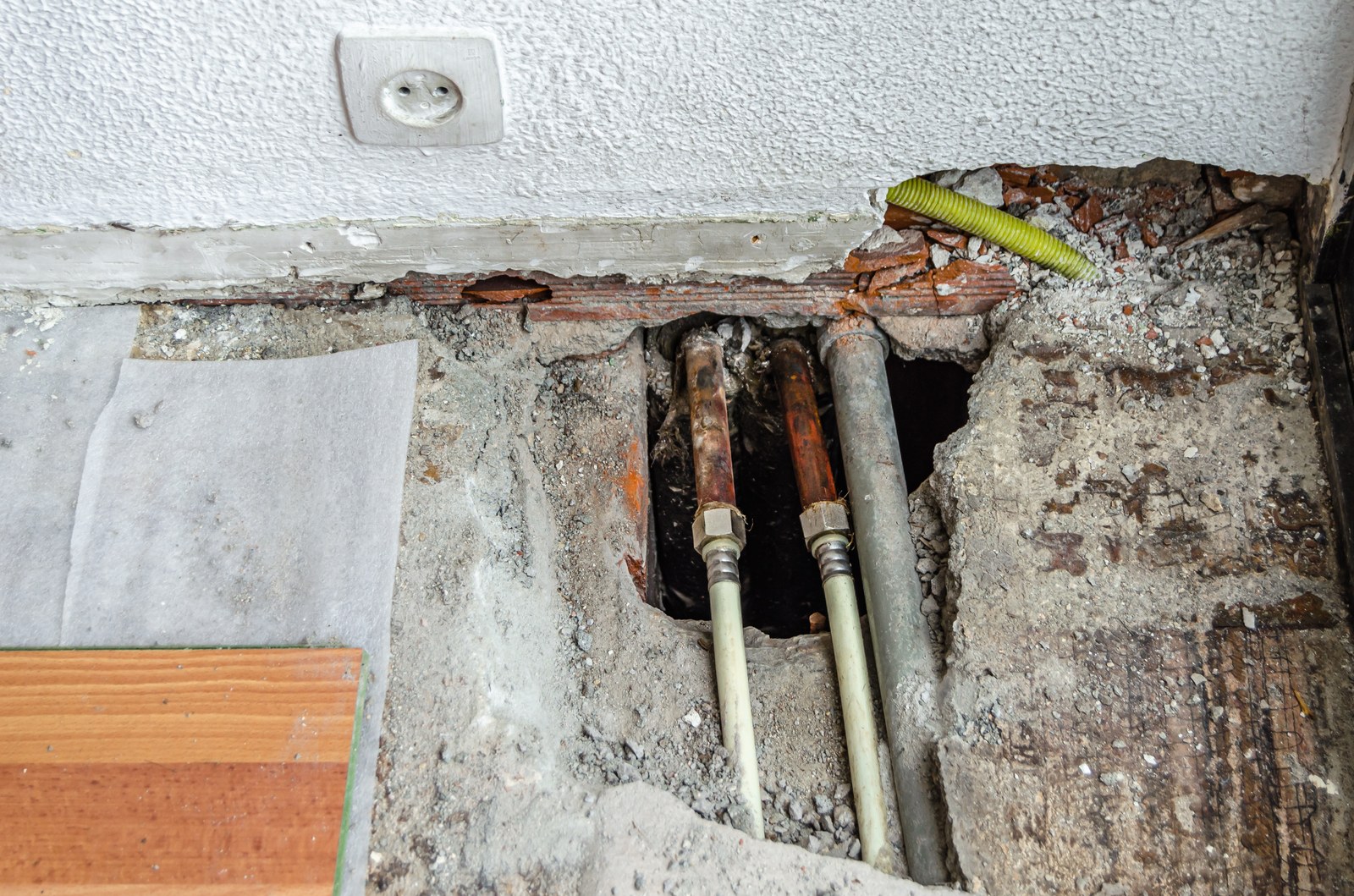
A slab leak forms when a water or sewer line running through or beneath a home’s concrete foundation develops a crack, pinhole, or full break. Unlike a leak under a sink or behind a wall, a slab leak sits hidden beneath the floor itself, which makes it harder to spot and easier to ignore until real damage sets in.
Point Loma and Ocean Beach both carry a mix of homes built from the 1940s through the 1970s, many still running on original copper or galvanized piping. Copper corrodes over time, especially in soil with high mineral content or shifting composition.
Galvanized pipe corrodes even faster, often from the inside out, so a pipe can look fine from outside while rust slowly closes off the line. Add in decades of ground settling and the occasional tree root pushing against a foundation, and pipes under an older slab take a beating few homeowners think about until something goes wrong.
Soil movement plays a bigger role than many people realize. San Diego’s clay-heavy soil expands and contracts with seasonal moisture changes, and that shifting puts pressure on rigid pipe materials running beneath a foundation. Over enough years, that pressure cracks joints and weakens connections that were never designed to flex.
Signs You Might Have a Slab Leak
Slab leaks almost never announce themselves loudly. Instead, they show up through a handful of subtle clues that are easy to dismiss individually but point to a clear pattern together.
Watch for these signs around your home:
- A warm or damp spot on the floor, especially over a hot water line
- A noticeable spike in your water bill without a change in usage
- The sound of running water when every fixture in the house is off
- Low water pressure throughout the home
- Cracks in flooring, walls, or the foundation itself
- A musty smell or visible mold near baseboards
Catching even one of these signs early gives a plumber a better chance to fix the problem with a targeted repair instead of a larger, more invasive project. Waiting too long lets water continue eroding soil beneath the slab, which can eventually affect the structural stability of the foundation.
How Professionals Detect and Confirm a Slab Leak
Guessing at a slab leak’s location almost always leads to unnecessary digging. Professional plumbers in San Diego instead rely on tools built specifically for locating leaks hidden under concrete without tearing up an entire floor.
Electronic leak detection equipment listens for the acoustic signature water makes as it escapes a pressurized line, allowing a technician to narrow down a leak’s location within a small radius. Thermal imaging cameras can also spot temperature differences in flooring caused by a hot water line leaking beneath the surface. In some cases, a plumber pressurizes the plumbing system and monitors for pressure loss to confirm a leak exists before pinpointing its exact spot with acoustic or thermal tools.
This kind of precise detection keeps repair work focused and affordable. A homeowner who calls in a crew that starts jackhammering without confirming a leak’s exact location risks paying for unnecessary demolition and repair across a much wider area than the problem requires.
Slab Leak Repair Options
Once a plumber confirms the leak’s location, a few repair paths typically come into play depending on the pipe’s condition, age, and how much of the system shows wear.
Spot repair works well when the damage is limited to a small section of pipe. A plumber accesses that specific area, either from above through the slab or below through a crawl space if one exists, and replaces just the damaged segment. This option costs less and takes less time, but it does not address other aging sections of pipe that may fail later.
Pipe rerouting takes a different approach, abandoning the damaged line beneath the slab entirely and running new pipe through walls or overhead instead. This avoids cutting into the foundation altogether and often makes sense for homes where the existing pipe material has aged past the point of relying on spot fixes alone.
Trenchless repair offers a middle ground for certain situations, using specialized equipment to reline or replace a damaged section with minimal excavation. For homes with multiple aging pipes throughout the slab, a full repipe sometimes becomes the more practical long-term solution, replacing the entire water line system with modern PEX or copper piping designed to handle San Diego’s soil and water conditions far better than materials installed decades ago.
What Affects the Cost of Slab Leak Repair
Several factors shape the final cost of a San Diego slab leak repair, and no two jobs price out exactly the same. The leak’s location plays a major role, since a pipe running beneath a garage slab is often easier to access than one under a finished living room floor with tile or hardwood on top.
The chosen repair method also affects price. Spot repairs generally cost less upfront than a full repipe, though a repipe can prevent repeat slab leaks in homes with widespread pipe corrosion. Flooring type matters too, since restoring tile, hardwood, or other finished surfaces after a repair adds to the total project cost. A licensed plumber walks through these variables during an inspection and provides a clear, itemized quote before any work begins, so homeowners know what to expect from the start.
Why Choose Sunset Cliffs Plumbing for Slab Leak Repair
Sunset Cliffs Plumbing brings over 30 years of hands-on plumbing experience to every slab leak call across Ocean Beach, Point Loma, and the rest of San Diego County. Our team relies on electronic leak detection and thermal imaging to pinpoint a leak’s exact location before any repair work begins, which keeps demolition to a minimum and protects your floors and foundation.
As a family-owned, locally operated company, we stand behind No BS pricing, meaning the quote you get upfront matches the invoice you receive once the job is done. Our phones are answered 24/7, so you can call anytime, and our team provides same-day service Monday through Friday to get a plumber to your door fast. Homeowners near the water in Ocean Beach and those further inland across San Diego County get the same licensed technicians and the same premium results. Neighborhood plumbing, premium results, that is the standard we hold ourselves to on every job.
Contact us for more information on our slab leak repair services in San Diego today!
FAQs
Cracks paired with warm spots, water bill spikes, or the sound of running water point toward a slab leak rather than routine settling. A professional inspection can confirm the cause before any repair work starts.
Coverage depends on your policy and the cause of the leak. Many policies cover the cost of accessing and repairing the leak itself but exclude the cost of the plumbing pipe replacement, so it helps to review your policy details or ask your insurance provider directly.
A spot repair often finishes within a single day, while pipe rerouting or a full repipe can take several days depending on the home's size and the extent of the damage. Your plumber can give a clearer timeline once the repair method is chosen.
Most homeowners stay in their home during a spot repair or rerouting project, though water may be shut off temporarily in certain areas. Larger repipe projects sometimes require short-term adjustments to daily routines while work is underway.